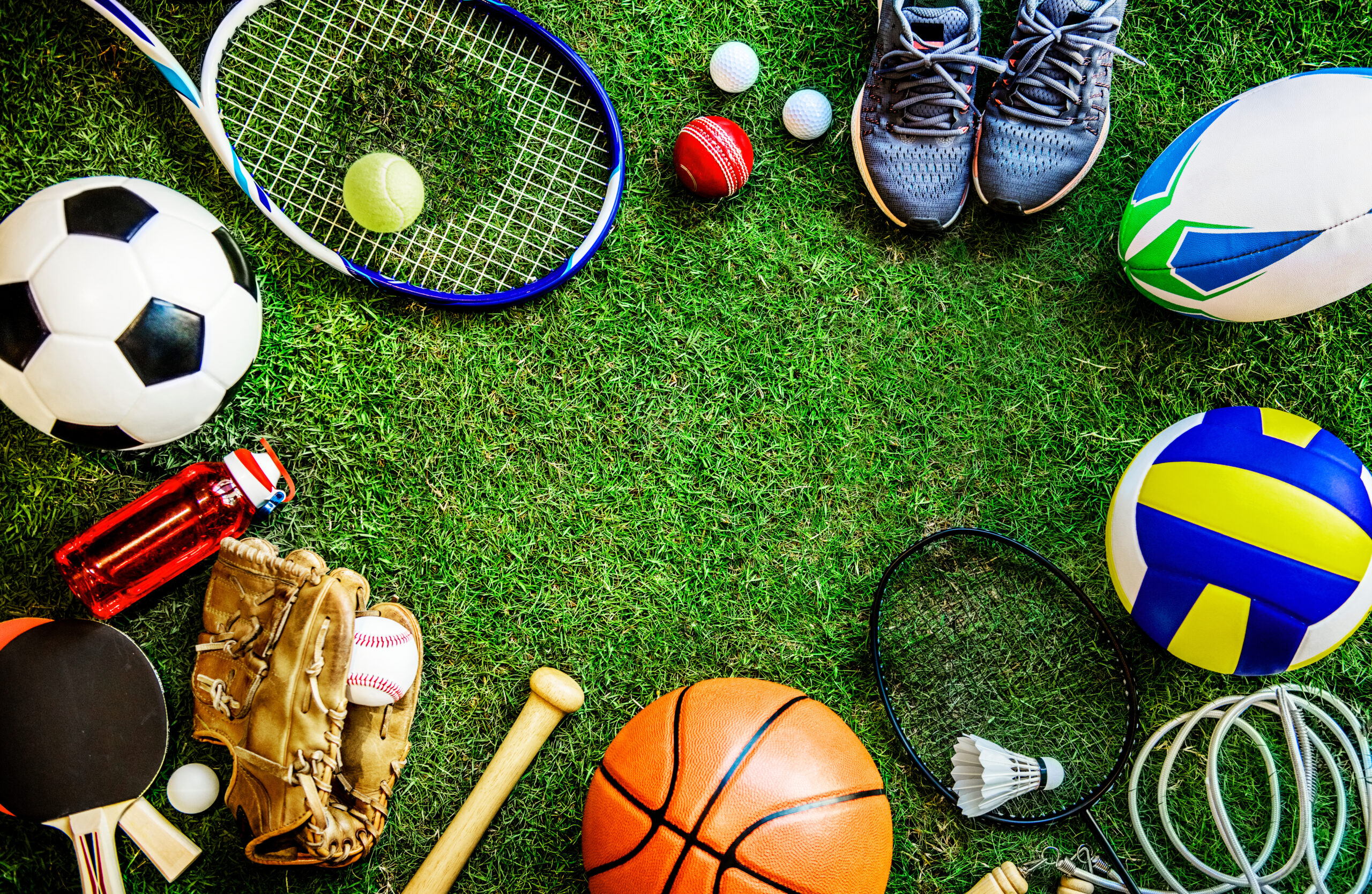
Sports have been a major part of my life since I was a kid growing up in San Diego. Whether I was on the baseball field, the football field, the golf course, or the ice rink, sports taught me more about life than I ever expected. Long before the Navy or law enforcement came into the picture, athletics helped shape the way I think, react, and solve problems. What I learned on the field still influences how I approach challenges as an adult, a parent, and a coach.
Sports are often seen as physical activities, but what many people do not realize is just how mentally demanding they are. Every play, every shift, every pitch requires you to analyze a situation, make quick decisions, and adapt when things do not go as planned. That is problem solving in real time. That is strategic thinking in action. And those lessons stay with you long after the final whistle.
Reading the Situation Before Making a Move
One of the most important skills sports teach is the ability to read a situation. In baseball, for example, you do not just catch the ball and throw it. You first assess the runners, the number of outs, the strength of your throw, and the speed of the hitter. You think before you act, even if the whole sequence takes only a few seconds.
In football, you read the defense before the snap. In hockey, you read the flow of the play to decide if you should pass, shoot, or hold the puck. The key is awareness. You learn to scan your surroundings, anticipate what might happen, and choose the smartest option in the moment.
This carries over into everyday life. Whether I am coaching kids or handling a stressful situation at home, I have learned to pause and evaluate before reacting. That skill alone has saved me from making emotional decisions more than once. Sports taught me to think first, then move.
Adapting When the Plan Changes
Every athlete knows that no game ever goes exactly the way you planned. You can prepare for days, study plays, and rehearse scenarios, but once the game starts, everything can change. The other team adjusts. Conditions shift. Mistakes happen. You have to adapt.
I learned this lesson the hard way many times. In hockey, a perfect play can fall apart because one defender steps out of position. In football, a great route can get shut down by unexpected coverage. When that happens, you have two choices. You can get frustrated and shut down, or you can adjust, regroup, and try again.
This ability to adapt quickly turned out to be incredibly important later in life. In the Navy, plans changed all the time, and we had to pivot with a clear mind. In law enforcement, no situation was ever identical to training. You had to think on your feet. Sports prepared me for that mental flexibility long before I understood how valuable it really was.
Working as a Unit Instead of an Individual
There is no better teacher of teamwork than sports. Even in sports that seem individual, like golf, you are still working with coaches, teammates, and sometimes partners. You learn that success is rarely about one person. It is about how well everyone works together.
In baseball, the pitcher needs the catcher. The infield relies on each other to make plays. In hockey, a goal usually comes from two or three good decisions made in sequence by different players. You learn to trust others, communicate clearly, and support your teammates even when things get tough.
This had a huge impact on my approach to teamwork during my years in law enforcement. In narcotics work especially, the team matters. You rely on each other in high pressure situations. You learn to communicate without overexplaining. You learn to step in where needed and step back when someone else is in a better position to lead. Those skills were built long ago in sports.
Practicing Strategic Thinking Every Day
Sports also teach strategic thinking. You do not just practice skills. You practice how to use those skills in different scenarios. You think about how to gain an advantage, how to counter the other team’s strengths, and how to play to your own.
I remember spending hours studying baseball pitches, understanding patterns, and predicting what might come next. In football, we broke down plays to understand the purpose behind every movement. In hockey, strategy was constant. You had to understand power plays, penalty kills, positioning, and momentum shifts.
Strategy in sports teaches the value of preparation. You learn that results are not just about effort, but about smart effort. That mindset has helped me in my career, my education, and even parenting. It teaches you to look deeper, plan ahead, and think beyond the moment.
Building Confidence Through Solving Problems
Every time you solve a problem in sports, you build confidence. Maybe it is adjusting your swing. Maybe it is fixing your footwork. Maybe it is learning to position yourself better on the ice. Every improvement, no matter how small, proves to you that you are capable of adapting and growing.
That confidence moves with you into real life. When you face a challenge at work or at home, you instinctively know that you can figure it out because you have done it hundreds of times on the field.
Final Thoughts
Sports are far more than games. They are classrooms where young people learn some of life’s most valuable skills. Problem solving. Strategic thinking. Adaptability. Teamwork. Confidence. These lessons stay with you forever.
When I coach kids today, I try to remind them that sports are shaping them in ways they might not see yet. One day they will face a difficult situation, and something they learned on the field will guide them through it.
Sports prepare us not just to compete, but to think, grow, and overcome challenges long after we leave the game behind.